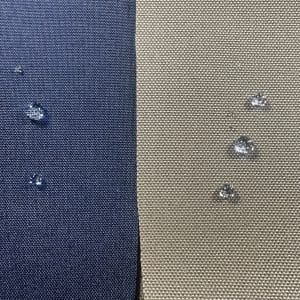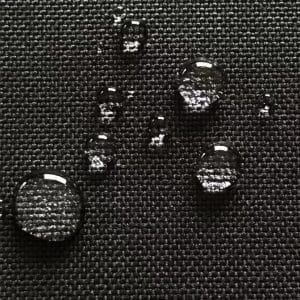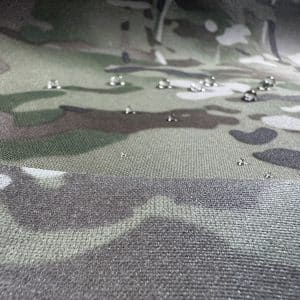
If you manufacture tactical backpacks, military pouches, motorcycle luggage, rugged duffel bags, or heavy-duty covers, chances are you’ve been asked for “1000D Cordura fabric.” It’s one of the most common fabric terms in the gear industry—yet it’s also one of the most misunderstood.
In this article, you’ll learn:
What “1000D” really means (and what it does not mean)
What buyers mean by “Cordura fabric” in real sourcing conversations
Typical construction and specification ranges for 1000D Cordura-type nylon
PU coating vs TPU lamination (and how to choose)
Where 1000D makes sense vs when 500D is the smarter option
A practical RFQ checklist to prevent “same name, different fabric” surprises
If you want a direct product reference first, see our Nylon 1000D Cordura Fabric (PU coated) page here:
https://www.durable-fabric.com/nylon-1000d-cordura-fabric-waterproof-pu-coating/
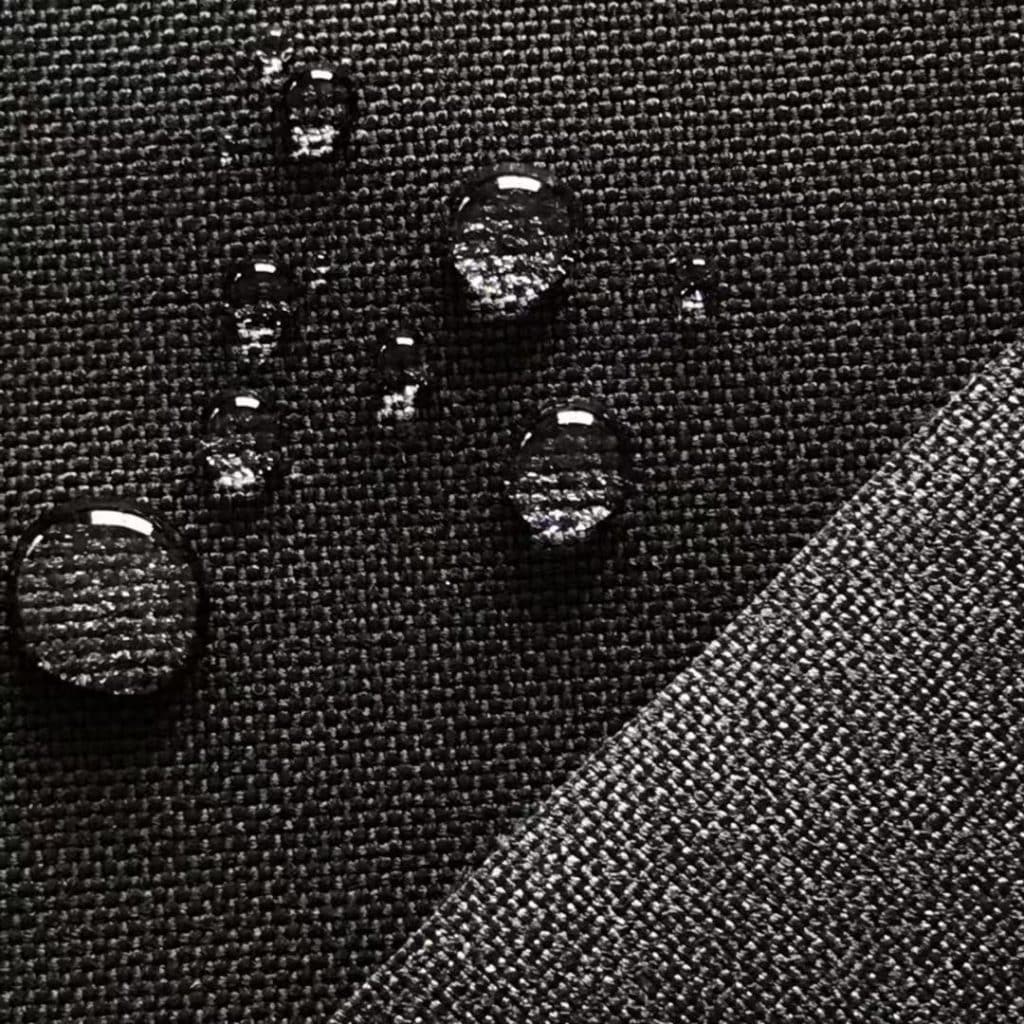
1) What Does “1000D” Mean?
1000D = 1000 denier, a yarn linear density measure. In simple terms:
Higher denier yarns are thicker and heavier
Thicker yarns often create a fabric that feels stiffer, more abrasion-tolerant, and more suitable for high-load gear
But denier alone does not define performance
The key point for B2B buyers
A fabric is not “better” just because it’s 1000D. Real durability depends on:
Yarn quality (high-tenacity vs standard)
Polymer type (Nylon 6 vs Nylon 6.6)
Weave structure and density
Coating/lamination system
Dyeing + finishing quality control
That’s why two suppliers can both quote “1000D Cordura” and deliver very different outcomes.
2) What Is “Cordura Fabric” (Brand vs Industry Term)?
In sourcing conversations, “Cordura fabric” can refer to two different things:
CORDURA® brand fabric (brand-labeled, controlled standards)
Cordura-style fabric (construction/performance description, not brand-labeled)
Many B2B programs use Cordura-style high-tenacity nylon because it gives the right performance for tactical/outdoor gear while keeping cost and supply flexibility.
If you need a clear side-by-side explanation for procurement or compliance, use this reference guide:
https://www.durable-fabric.com/cordura-brand-fabric/
3) What Makes 1000D Cordura Fabric Popular for Tactical Gear?
1000D Cordura-type nylon is widely chosen because it offers three practical advantages for gear manufacturers:
A) High abrasion tolerance in real “failure zones”
Backpacks and tactical equipment typically fail at high-friction areas:
Bottom panels
Corners and edges
MOLLE attachment zones
Reinforcement panels under load
1000D is commonly used when the product must survive dragging, scraping, and daily hard use.
B) Strong structure for “boxy” gear designs
If your customer wants a bag that holds shape—especially larger packs and hard-wearing duffels—1000D’s body and stiffness can help.
C) Bulk production consistency (when the supplier controls QC)
For B2B programs, the real value is stable repeatability:
Shade and color control
Coating consistency
Lot-to-lot stability
That’s why experienced buyers care about TDS, test data, and inspection records, not just the name “1000D.”
4) Typical Specs for 1000D Cordura-Type Nylon (What to Expect)
Below is a buyer-friendly “typical range” checklist. Your final spec should always be confirmed by the supplier’s TDS + sample approval.
Common construction options
Yarn: high-tenacity Nylon 6 or Nylon 6.6
Weave: plain weave or ripstop (depending on target tear behavior and visual style)
Width: commonly around 150 cm usable (or 57/58″–60″)
Weight: typically in the 320–420 gsm range, depending on density and coating package
Finish options: DWR, IRR/NIR, UV resistance, prints/camouflage, handfeel tuning (soft vs stiff)
For a direct reference to our 1000D family specs and options, see:
https://www.durable-fabric.com/nylon-1000d-cordura-fabric-waterproof-pu-coating/
5) PU Coating vs TPU Lamination: Which One Should You Choose?
This is where many RFQs go wrong: buyers assume “1000D” determines waterproofness. It doesn’t.
PU Coating (cost-effective and widely used)
PU coating is common for:
Tactical backpacks
Standard outdoor bags
Motorcycle luggage panels
Tool bags and heavy-duty organizers
Pros
Cost-effective
Easy to tune stiffness/body (light, medium, heavy coating)
Good practical water barrier for bag applications
Limitations
Waterproof level depends heavily on coating weight and formulation
Breathability is usually not required for bag fabrics
TPU lamination is often chosen for:
Dry bags
Hydration packs
Heavy rain exposure compartments
Higher-end outdoor storage and protective equipment
TPU can deliver higher hydrostatic performance, but costs more and changes handfeel.
If you want an easy buyer explanation for your sales team (or to educate your customer), link this article in your blog:
https://www.durable-fabric.com/pu-coated-vs-tpu-laminated-cordura-nylon/
6) 1000D vs 500D Cordura: When Is 1000D comctually the Better Choice?
The industry has shifted toward 500D for many modern tactical packs—because it’s lighter and still strong. But 1000D is still a valid choice when:
Choose 1000D when:
Your product is used in high-abrasion environments
You need stiffer structure and shape holding
The product carries heavy loads (large rucksacks, duffels)
The customer demands “maximum toughness” positioning
Choose 500D when:
Weight and comfort matter more (plate carriers, modern packs)
You want better drape and easier sewing
You want a more “balanced” everyday performance
Use this dedicated comparison article as a supporting internal link:
https://www.durable-fabric.com/500d-cordura-vs-1000d-cordura-fabric/
And for product references:
500D PU coated Cordura-type: https://www.durable-fabric.com/nylon-500d-cordura-fabric-waterproof-pu-coating-3/
1000D PU coated Cordura-type: https://www.durable-fabric.com/nylon-1000d-cordura-fabric-waterproof-pu-coating/
7) Common Applications of 1000D Cordura Fabric
Here’s where 1000D is most commonly used in real production:
Tactical & Military Gear
Assault packs and rucksacks
MOLLE pouches and load-bearing systems
Plate carrier reinforcement zones
Range bags, rifle bags, field organizers
Outdoor and Industrial Bags
Expedition duffels
Tool bags and heavy-duty equipment bags
Protective covers and rugged cases
Motorcycle Gear
Luggage panels and abrasion zones
Reinforcement parts where scuff resistance matters
If your program includes camouflage requirements (Multicam-style, custom patterns, IRR/NIR), reference this product page:
https://www.durable-fabric.com/nylon-1000d-multicam-camouflage-cordura-fabric-waterproof-pu-coating/
8) Special Finishes Buyers Ask for on 1000D
A) Camouflage printing (repeat stability matters)
“Multicam fabric” is everywhere online—but B2B buyers care about:
Print repeat control
Shade stability in bulk
Coating consistency after printing
If you need a reliable baseline for tactical programs, see our 1000D Multicam option:
https://www.durable-fabric.com/nylon-1000d-multicam-camouflage-cordura-fabric-waterproof-pu-coating/
B) IRR / NIR reduction (project-based)
IRR/NIR is often required for specific military programs. It depends on pigments and recipes, so it’s usually handled as a controlled development, not a generic claim.
C) Flame retardant (FR)
If your end use involves tents, protective equipment, or specific compliance needs, you may require FR. Example reference:
https://www.durable-fabric.com/nylon-1000d-flame-retardant-cordura-fabric-waterproof-pu-coating-cpai-84/
9) B2B Sourcing Checklist (12 Questions That Prevent Costly Mistakes)
Before you approve a “1000D Cordura fabric,” ask:
Is it CORDURA® brand or Cordura-style? (Labeling requirements?)
Polymer + yarn: Nylon 6 or Nylon 6.6? High-tenacity?
Weave type: plain / basket / ripstop? Density targets?
Weight range (gsm) and tolerance (±%)?
Coating system: PU (how many coats), TPU lamination, PVC?
Target hydrostatic head (if needed) and test method?
DWR requirement (C6/C0) and durability expectations?
Color standard: Pantone? Shade approval process?
Print: camo repeat size, file format, colorways, IRR requirements?
Bond strength / coating adhesion requirements?
MOQ per color/design, and development MOQ?
What documentation can you provide: TDS, MSDS, test reports, QC records?
If you need a fast quoting template, scroll to the RFQ copy/paste section below.
10) Final Takeaway
1000D Cordura fabric usually means a heavy-duty, abrasion-resistant high-tenacity nylon fabric used in tactical and industrial gear. It’s ideal for high-wear zones and heavy-load products, especially when you choose the right yarn type + weave density + coating system.
The winning B2B strategy is not guessing by name—it’s locking the specification and verifying bulk consistency through sampling and test data.
Call to Action
If you’re sourcing 1000D Cordura® brand fabric or high-performance Cordura-style fabric for tactical/outdoor/workwear products, we can support you with:
330D / 500D / 1000D options
PU coating / TPU lamination / custom backing
Multicam-style & custom camouflage printing
IRR/NIR projects and flame-retardant options (on request)
TDS + test support + stable bulk production
Contact Us for a Detailed Offer:
Company: Lean Textile Co., Ltd.
Website: https://www.durable-fabric.com
Email: [email protected]
WhatsApp / WeChat: 008615051486055
Or use the contact page: https://www.durable-fabric.com/contact-us/